
The Balance of Events
The Wreck of the Titan, or FutilityThe book's moral algebra: suffering inflicted returns as suffering received, and love wasted still gets weighed.
increasing Bearing strength in each event
 decreasing
Bearing strength in each eventdecreasingThe Immutable Law
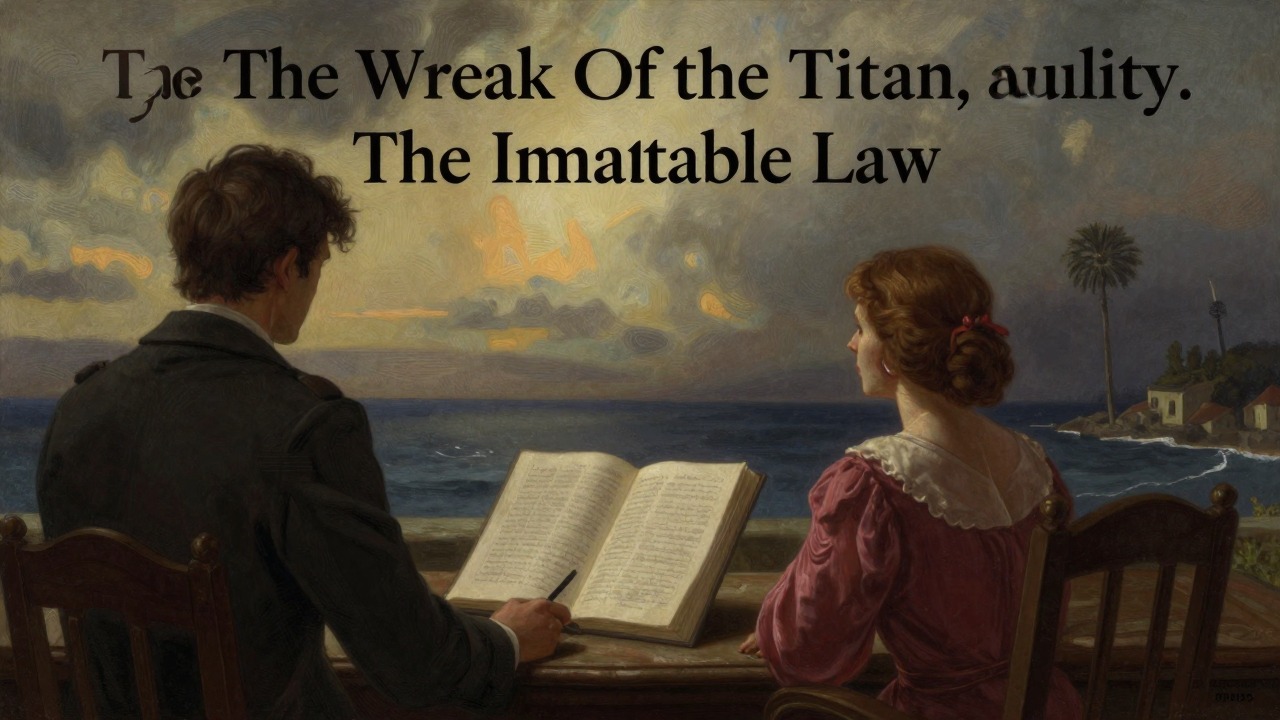
The Immutable Law
The Moment
In the past, Rowland told Myra about an immutable law of chance and a governing balance of events. He said that for all the suffering we inflict on others, we receive an equal amount ourselves.
Why It Matters
This is the novel's moral theorem. The rest of the book is a series of experiments testing it.
Rowland believes the law is impersonal, not divine. He will come to see it working in his own life.
A Starved Love's Revenge
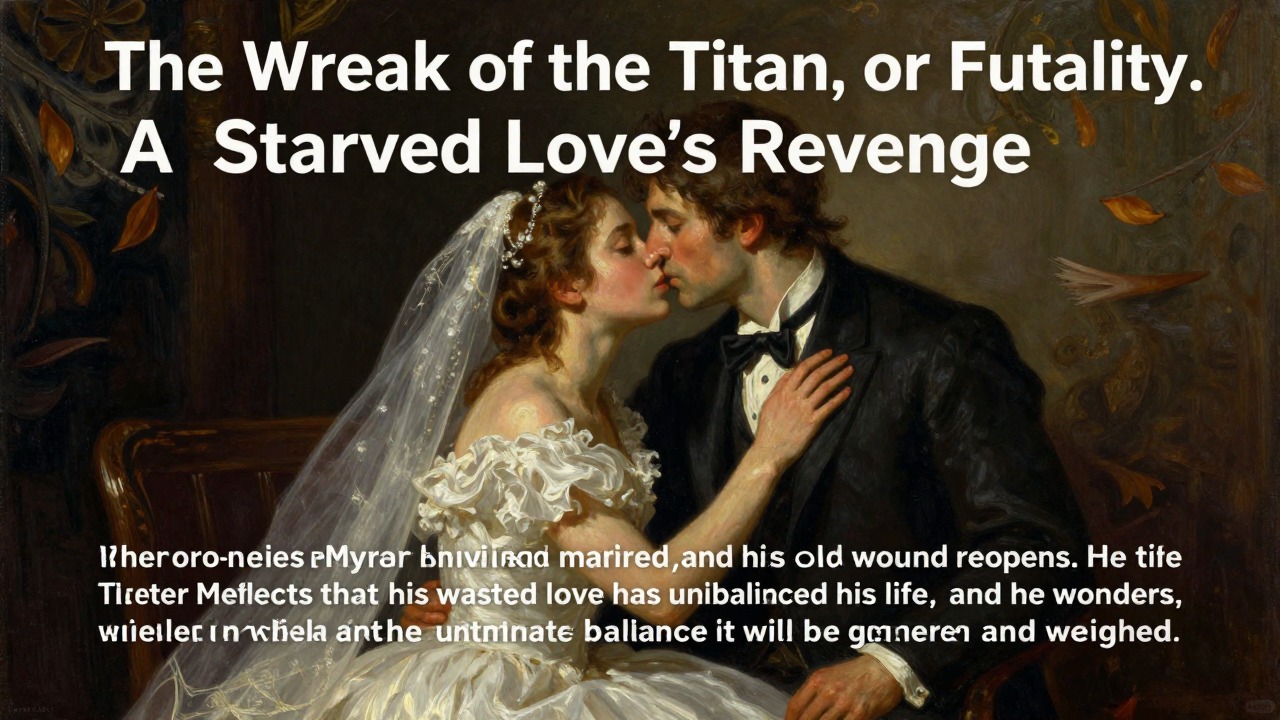
A Starved Love's Revenge
The Moment
Rowland sees Myra married, and his old wound reopens. He later reflects that his wasted love has unbalanced his life, and he wonders where in the ultimate balance it will be gathered and weighed.
Why It Matters
His love is a kind of suffering inflicted on himself, but Myra's rejection was also a cruelty he received. The balance begins to tilt.
The narrative will test whether his loss is compensated by his rescue of her child.
The Debt Collected
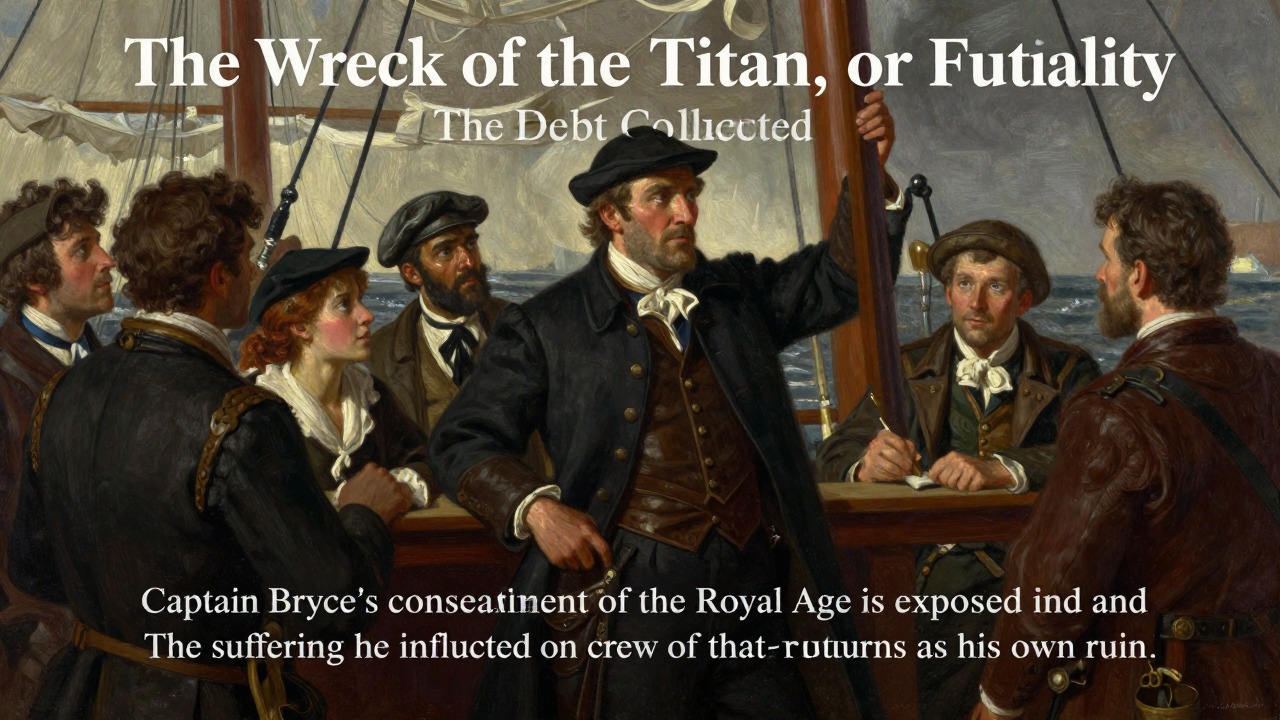
The Debt Collected
The Moment
Captain Bryce's concealment of the Royal Age is exposed, and his own words convict him. The suffering he inflicted on the crew of that ship returns as his own ruin.
Why It Matters
The law of balance operates through the legal machinery of Lloyds. Bryce must now pay for the death he caused.
The balance is not supernatural; it is built into the consequences of human actions.
The Innocent Pays
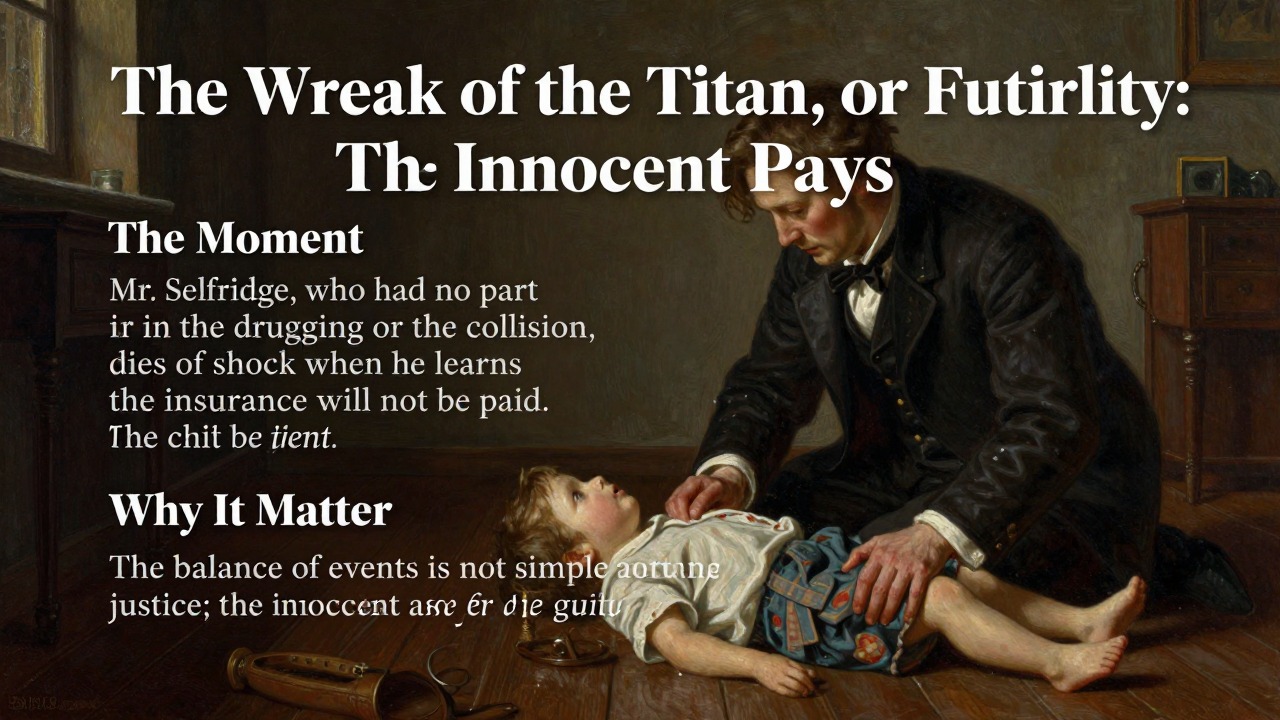
The Innocent Pays
The Moment
Mr. Selfridge, who had no part in the drugging or the collision, dies of shock when he learns the insurance will not be paid. The child is left without a fortune.
Why It Matters
The balance of events is not simple justice; the innocent also pay for the guilty. This is the novel's darkest moral discovery.
Rowland's refusal to testify is an attempt to correct the balance with mercy.
The Balanced Ending
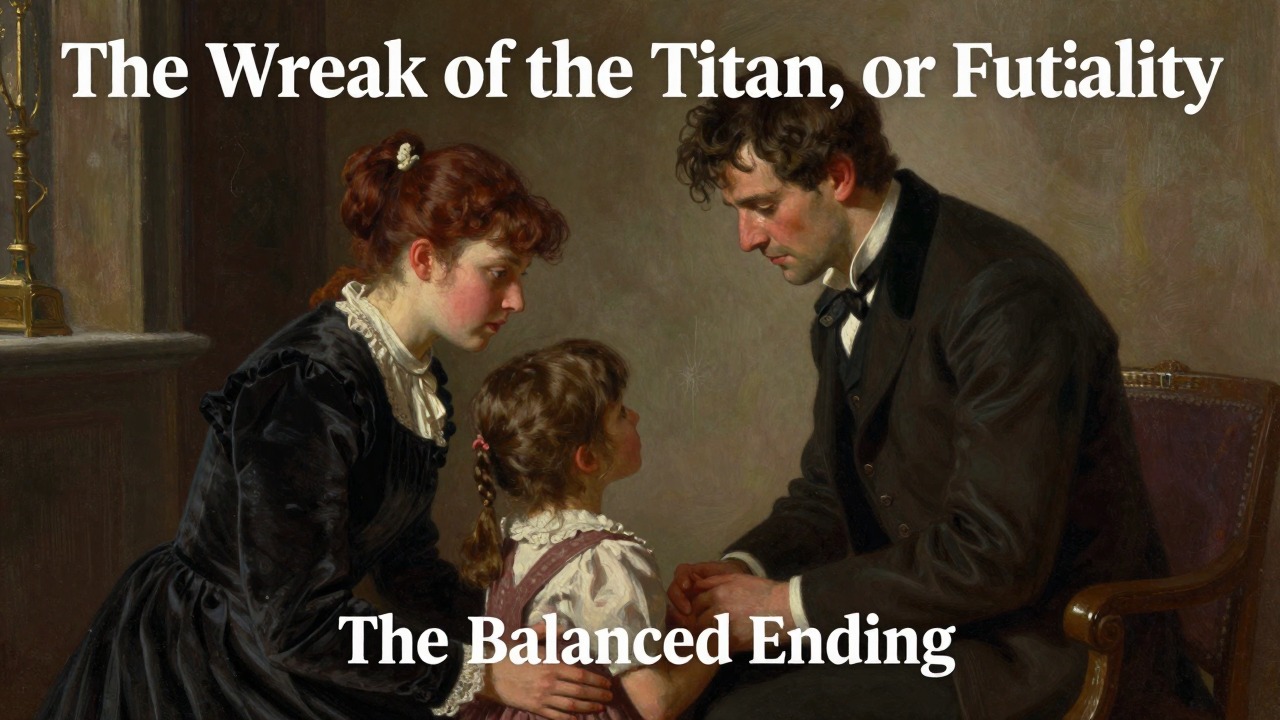
The Balanced Ending
The Moment
Rowland has risen to a government position, and Mrs. Selfridge writes to ask him to come and see Myra. He goes, and the story ends with his future open.
Why It Matters
The balance of events has given him back a role in the child's life, returning some of the love he poured out without hope.
His wasted love is gathered at last, not as romantic fulfillment but as responsibility and care.
before the voyage, in Rowland's quarrel with Myra
departure day and the first night
at Lloyds, with the Royal Age exposed
after Mr. Selfridge's death
at the end of the book, with the letter
